Big lots mean long pipe, and long pipe hides its problems
A typical Greenwood Village home sits a long way back from the street, which means the lateral running from the house to the city main is often two or three times the length of a comparable run in a denser part of the metro. Every extra foot is another joint, another chance for a root to find a seam, and another stretch a short consumer-grade cable will never reach.
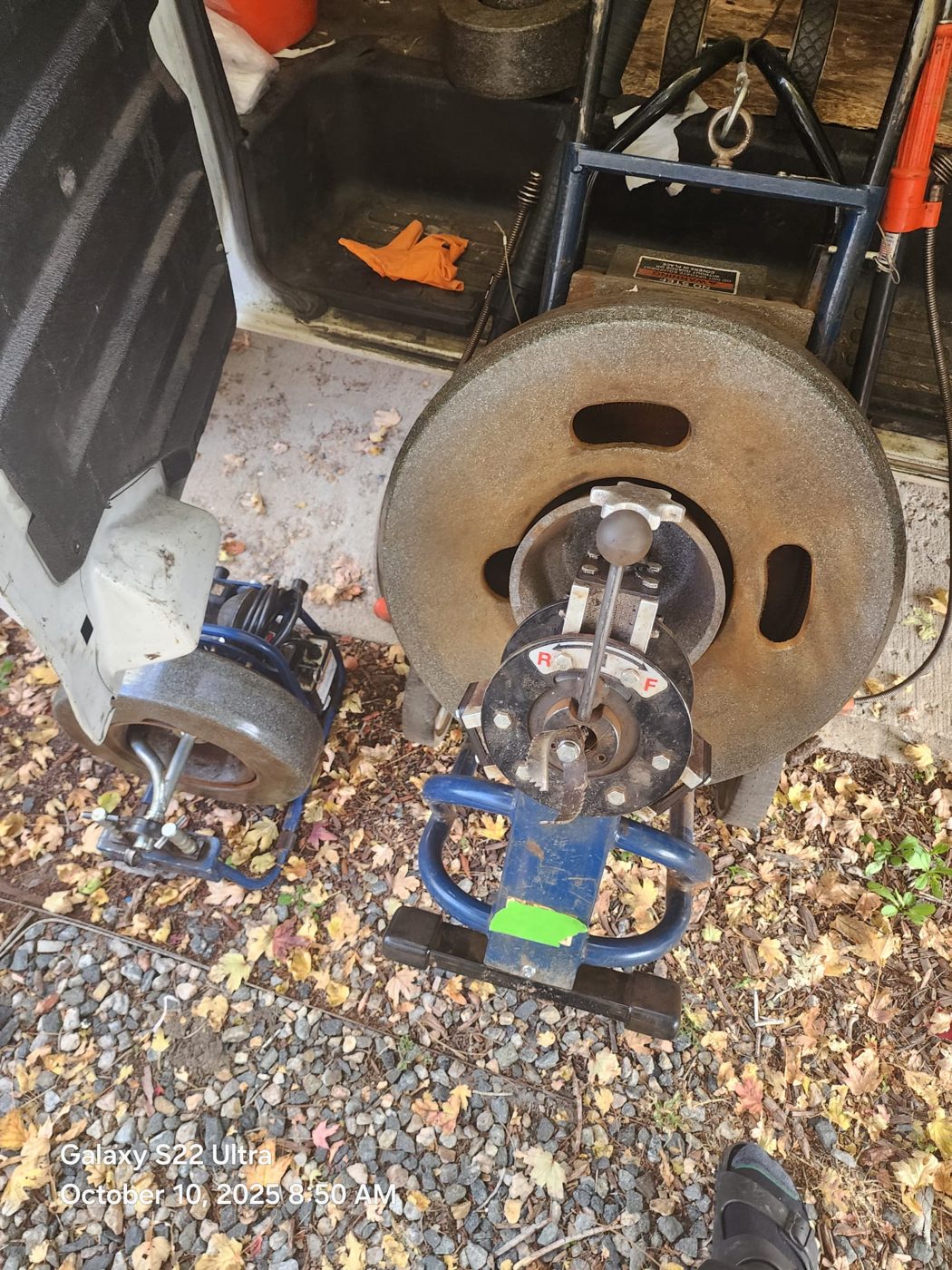
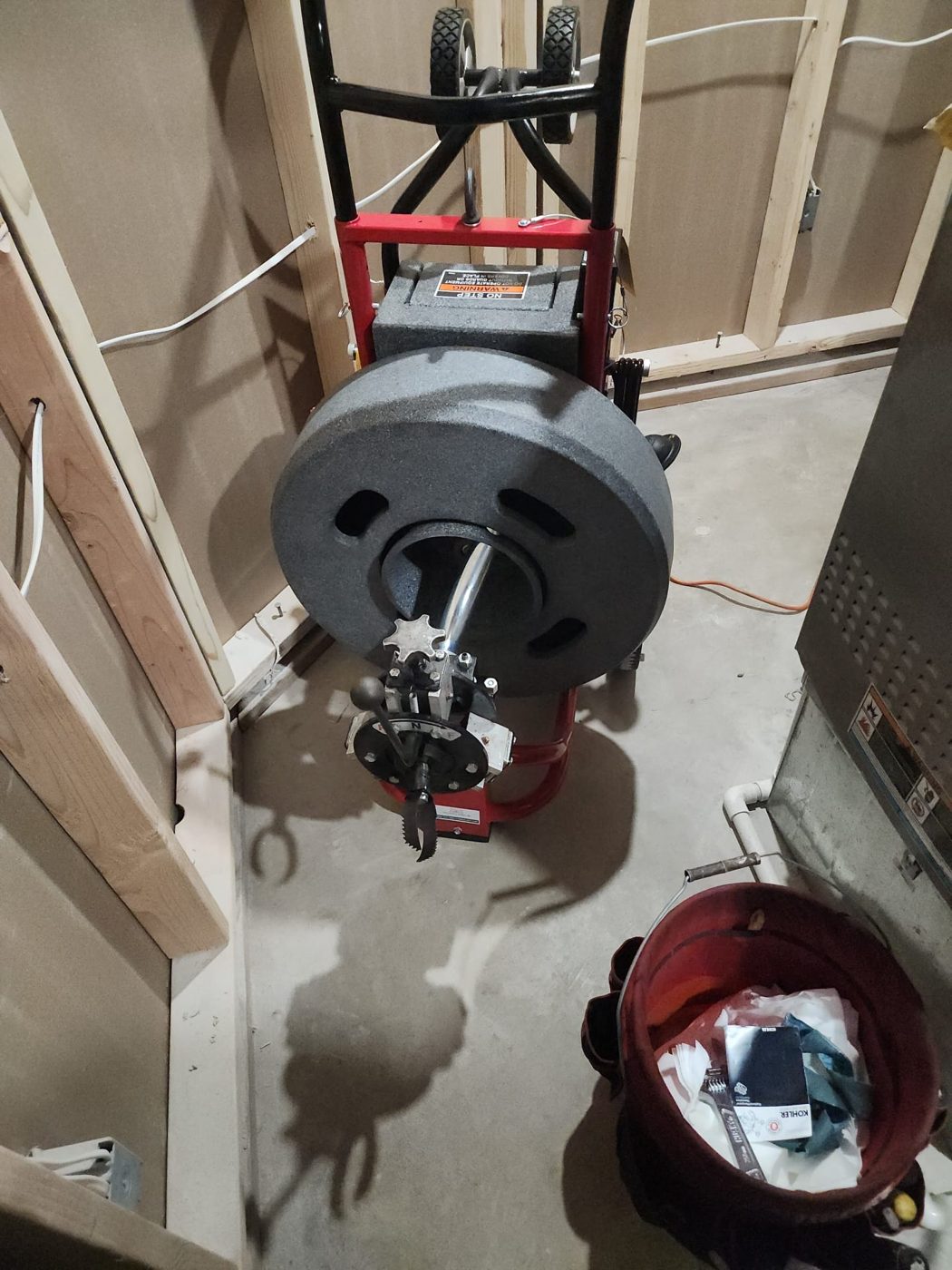
That length is the single most important fact about drain work here. A homeowner who rents a machine from a hardware store usually clears the first thirty feet, sees water move, and assumes the problem is solved. Six weeks later the same backup returns, because the actual restriction was ninety feet out under the driveway. Aurora Drainage Service runs full-length equipment and follows it with a camera, so the report you get describes the whole run rather than the part that was easy to reach.
Why footage distance matters more than the clog itself
Knowing a root mass sits at 84 feet rather than somewhere between the house and the street changes everything about what a future repair costs. We record the distance to every defect so any excavation later is one targeted dig instead of a search.
Driveways and hardscape over the run
Circular drives, stamped concrete and paver aprons frequently cross the sewer line on these lots. Locating precisely before anyone breaks surface is the difference between a small repair and a landscaping project.
Irrigation systems that feed the roots
Established sprinkler coverage keeps the soil above the lateral damp all summer. Roots follow that moisture straight to the nearest leaking joint, which is why heavily irrigated properties see faster regrowth after a cut.
Mature specimen trees are the usual culprit
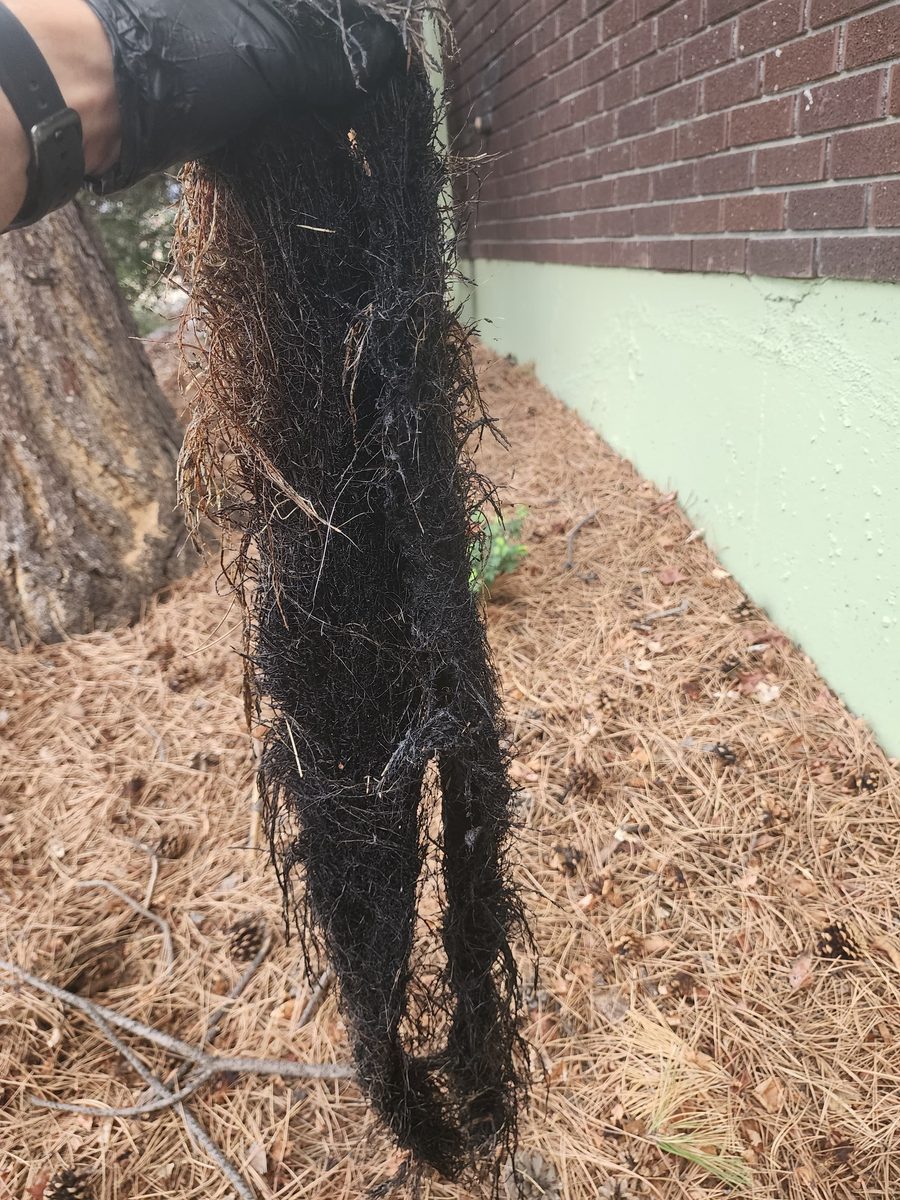
Blue spruce, cottonwood, ash and willow planted forty or fifty years ago now have root systems wider than the canopy above them. In a dry Colorado August the only reliable water on the property is inside your sewer line, and roots are extremely good at finding it.
Greenwood Village streets, the Tech Center and everything between
We cover the residential village north and south of Orchard Road, the Greenwood Hills and Village Green areas, the neighborhoods bordering the High Line Canal Trail, and the commercial density of the Denver Tech Center and the Fiddler's Green corridor along Arapahoe Road.
Greenwood Village is a short run west from our Aurora base along Arapahoe or Belleview, so same-day appointments are routine and overnight emergency calls are answered by a person rather than a machine.
Office buildings and restaurants in the DTC
Commercial kitchens and multi-tenant office buildings around the Tech Center run grease and paper volumes no residential line ever sees. Those building drains want a jetting interval on the calendar, because reactive cabling on a commercial grease line simply resets the clock a few weeks.
The work Greenwood Village property owners actually call about
Main line root cutting with a camera follow-up leads the list, followed by hydro jetting on long runs that have narrowed with years of buildup, followed by pre-purchase sewer scopes on homes changing hands at prices that make an unknown lateral an unacceptable risk.
We also run scheduled maintenance for owners who have decided that an annual cut is cheaper and far less disruptive than replacing a finished lower level. On a mature lot with a clay lateral, that math almost always works out.
Guest houses, pool houses and detached structures
Secondary buildings on these lots often tie into the main lateral at an awkward angle, and that junction is a frequent catch point. If a detached structure has ever backed up, the tie-in is the first place we look on camera.
Property managers and seasonal owners
Every visit produces footage and a written summary, so an owner who is out of state during the winter can make a repair decision from evidence instead of a phone description.
What happens when you book a Greenwood Village appointment
You reach a live person at 720-779-4946 at any hour. We ask what is backing up, how long it has been happening, and where the cleanout is, then give an arrival window we can hold. Price is confirmed on site before equipment comes off the truck.
Flow gets restored first. Then the camera goes in and we walk the footage with you on screen, distance markers and all. HD inspection is included with main line clearing and the recording is yours to keep.
Finding a cleanout on a heavily landscaped lot
On these properties the cleanout is regularly buried under twenty years of bed expansion, mulch and river rock. We locate it electronically rather than digging exploratory holes across a mature planting bed.
Protecting finishes on the way in
Coverings go down on hardwood, stone and carpet before anything is carried through. On large homes the path is long, and we treat it accordingly.
Working outside wherever possible
An accessible exterior cleanout keeps the entire job outdoors, which on these properties is nearly always the preferred outcome.
Front Range soil movement and the Greenwood Village seasonal pattern
The expansive clay under much of Arapahoe County swells when it takes on water and shrinks hard when it dries out. That annual cycle nudges pipe joints out of alignment a fraction at a time, and a joint that has opened a fraction is a joint a root can enter.
The practical result is two predictable peaks each year: a spring wave of main line calls as saturated soil shifts and new root growth pushes into seams, and a holiday-season wave of kitchen line calls when cooking volume meets cold pipe. Booking a preventive cut in March heads off most of the first one.
Move the sprinkler zone off your sewer run
If an irrigation head soaks the ground directly above the lateral several times a week, that soil never gets a chance to stabilize. Shifting the zone a few feet costs nothing and measurably reduces the joint movement your pipe experiences.
Straightforward pricing for Greenwood Village
Four things set the price: which line is affected, how accessible the cleanout is, whether the job needs cabling or hydro jetting, and the time of day. The number is agreed before work starts, and the camera inspection comes with main line clearing rather than as an upsell.
If the footage shows a genuine pipe failure rather than a maintenance issue, we show you the exact frame, give you the distance, and lay out repair options from least expensive upward. Aurora Drainage Service answers 720-779-4946 day and night.