Denver's housing stock decides which drain problem you have
In Denver the build era predicts the failure. Bungalows and four-squares in Baker, Congress Park, Highlands, Berkeley and Five Points were plumbed with clay tile and, in the interior, cast iron. Clay fails at the joints and lets roots in; cast iron fails from the inside out as scale and rust tubercles narrow the bore until a two-inch line behaves like a one-inch line long before it fully blocks.
Post-war neighborhoods such as Virginia Village, Athmar Park and parts of Park Hill sit in the middle: often clay to the street with cast iron or early plastic inside. Newer infill and RiNo conversions have modern PVC that rarely fails on its own but frequently inherits an original lateral under the alley that nobody replaced during the remodel. Aurora Drainage Service cameras first precisely because Denver blocks are rarely uniform.
Cast iron scale is not a clog, and cabling it is a temporary answer
When the camera shows a rough, rust-scaled interior rather than a discrete blockage, a cable carves a channel and the line closes back up within months. Jetting with the right nozzle strips the scale and buys years. Knowing which one you are looking at is the entire value of the inspection.
How to tell before we arrive
Slow drainage on every fixture at once, rather than a single sink, usually means a narrowed main rather than a local clog. Recurrence on a shortening interval means the same thing.
Why it matters for a remodel budget
Replacing an interior cast iron stack during a kitchen tear-out costs a fraction of what it costs after the tile is down. If you are opening walls in a pre-1950 Denver house, scope the drain lines first.
Alley-run laterals and shared access
A great many central Denver homes run their lateral to a main in the alley rather than the street. That changes cleanout access, dig permits and cost if a repair is needed, and it is worth confirming on camera where your line actually goes before anyone quotes excavation.
Neighborhoods and ZIP codes we cover across the city
Our Denver rotation spans 80202 through 80246: downtown and Union Station, Five Points and RiNo, Capitol Hill and Cheesman Park, Congress Park and Park Hill near City Park, Wash Park and Platt Park south of I-25, Baker and Athmar Park west of Broadway, and Highlands, Berkeley and Sunnyside on the northwest side toward Sloan's Lake.
Because we are based in Aurora, the east and central sides of Denver — Virginia Village, Hilltop, Montclair, Lowry and the 80220, 80224, 80231 and 80246 corridors — are the shortest runs on our board and usually get the tightest arrival window.
Duplexes, carriage houses and converted units
Denver's pop-tops and basement conversions often add fixtures to a lateral that was sized for one household in 1925. When a converted duplex backs up repeatedly with no obvious blockage, the honest answer is sometimes capacity and slope rather than debris, and camera footage is what proves it.
The Denver calls that fill our schedule
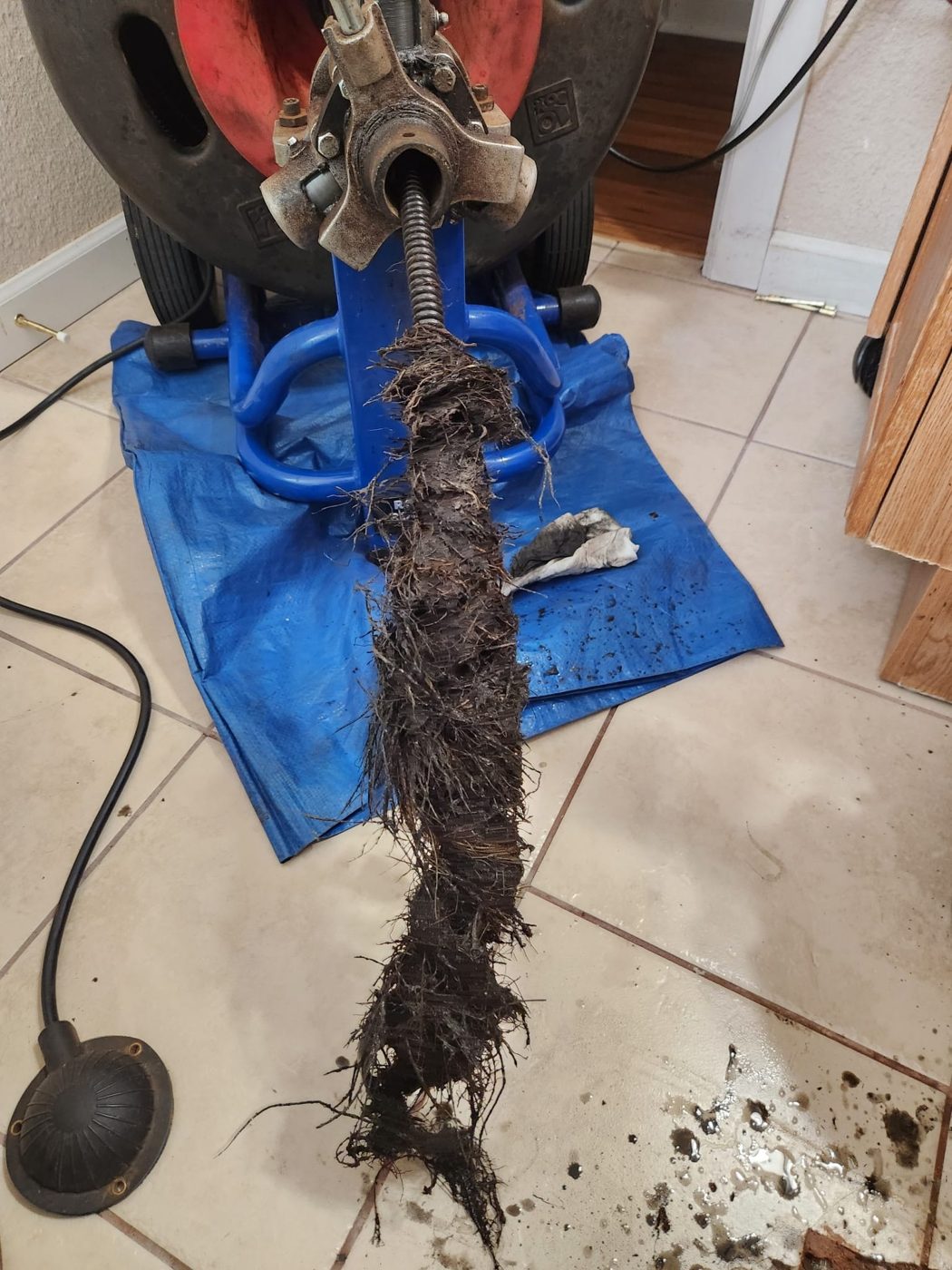
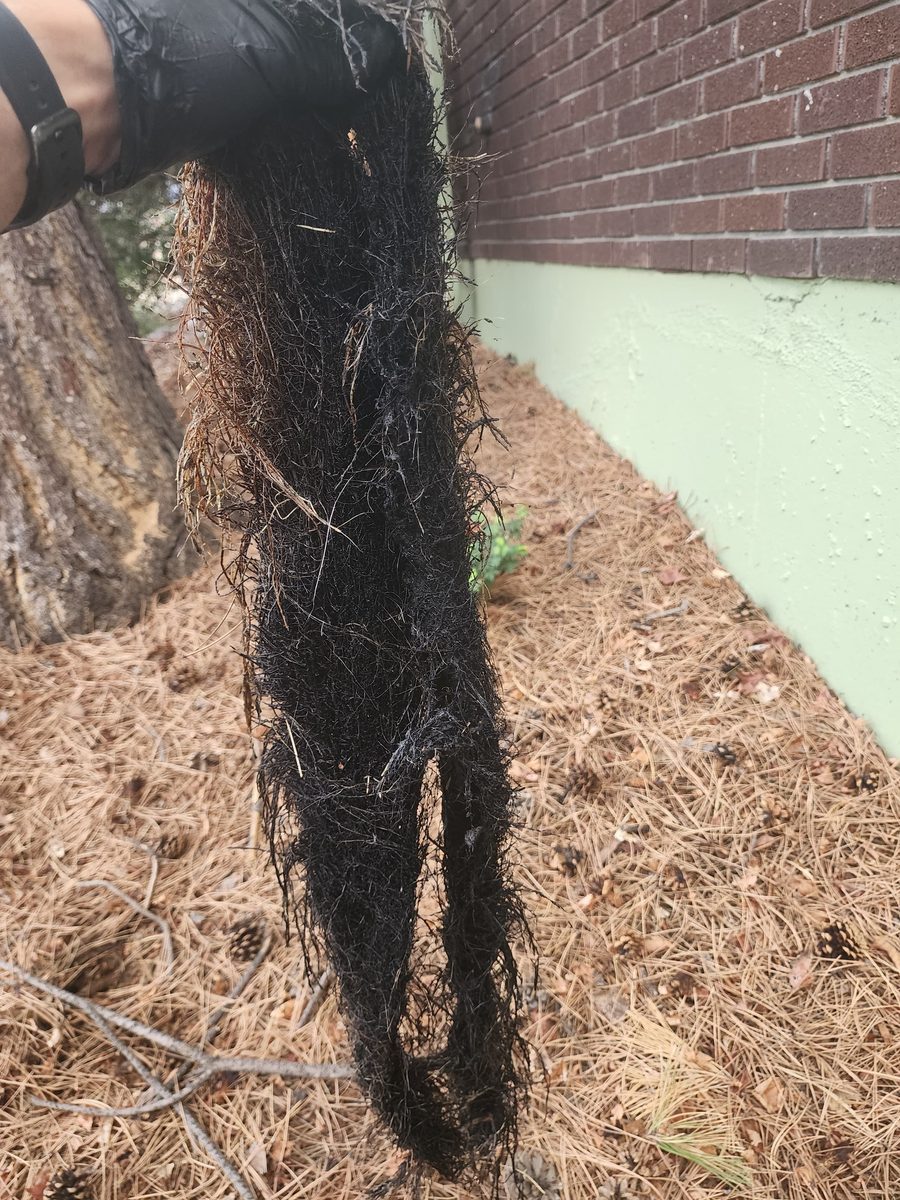
Main sewer backups into basement floor drains lead the list, particularly in the older central neighborhoods where a single root mat at a clay joint catches a season's worth of solids. Kitchen branch lines running long horizontal distances under a bungalow come second, and old cast iron laundry and tub lines third.
We also run a steady volume of pre-purchase sewer scopes across Denver. On a house built before 1960 that inspection is not optional in any practical sense — it is the difference between negotiating a known repair and inheriting an unknown one three weeks after closing.
Emergency backups after hours
Sewage on a finished basement floor is not a next-morning problem. We answer 720-779-4946 around the clock and dispatch to Denver addresses through the night, because the cost of waiting is measured in flooring and drywall, not in the service call.
Recurring blockages that keep coming back
If the same Denver line has been cabled three times in two years, stop paying for the same visit. A jetting pass plus recorded footage identifies whether the cause is scale, a root entry point, a belly, or a fixture habit that can simply be changed.
How we work inside older Denver homes
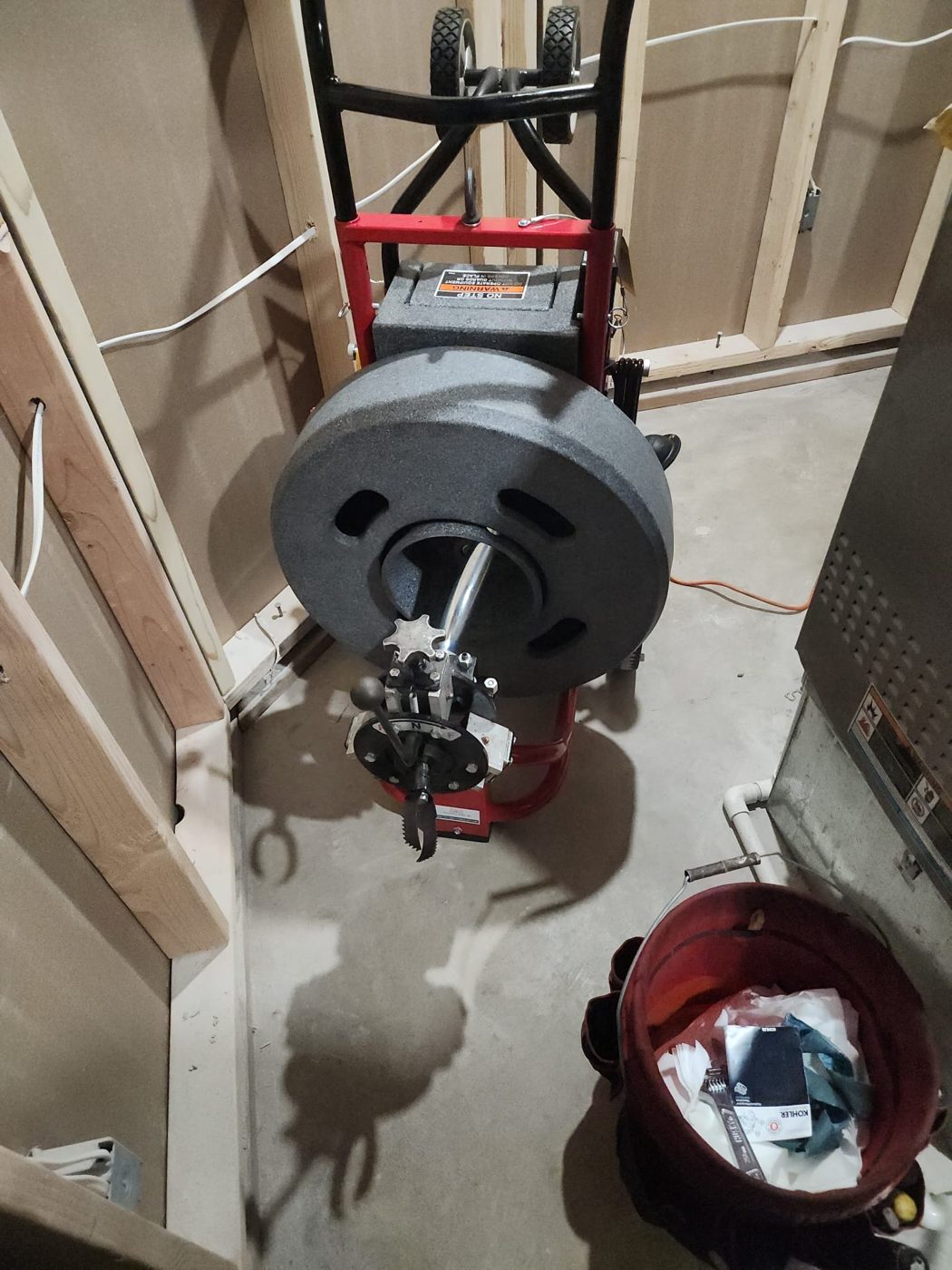
Working in a hundred-year-old house is different from working in new construction. Floors are original, access is tight, and cleanouts are sometimes missing entirely. We protect surfaces before equipment comes in, and where no exterior cleanout exists we discuss access options with you before pulling a toilet or opening a stack.
Aurora Drainage Service quotes the work before it starts, includes camera inspection with main line clearing, and leaves the footage with you. Nothing is decided from the driveway.
When there is no cleanout at all
Plenty of pre-war Denver homes never had one installed. Adding an accessible exterior cleanout is a modest job that pays for itself the second time the line needs service, and it keeps future work outside your finished space.
Access through a pulled toilet
Sometimes the only viable entry. It is routine work, the wax ring is replaced, and the fixture is reset properly rather than balanced back into place.
Roof vent access
Occasionally the cleanest path on a tight interior. It is slower and weather-dependent, so we use it when it genuinely is the best option and tell you why.
Tree canopy, altitude and the Denver drainage calendar
Denver's mature street trees are the city's best feature and the main sewer line's worst neighbor. Elms and silver maples along Congress Park, Park Hill and Wash Park blocks send fine roots toward any joint that weeps, and those roots grow fastest in spring when the canopy is pushing new growth. Root-cut visits scheduled in March and April prevent a meaningful share of the June emergencies we see.
Winter brings the second pattern: grease that flowed in warm months sets solid against cold pipe, and holiday cooking volume finishes the job. If your Denver kitchen line slows every December, the cause is almost certainly cumulative rather than sudden.
Storm season and combined drainage
Heavy August storms raise the water table quickly in low-lying parts of the city. Laterals with compromised joints take on groundwater and silt during those events, which is why a line that behaved all summer can back up the week after a downpour.
What changes the price on a Denver drain job
Four variables: which line, how accessible the cleanout, cable versus jetting, and time of day. We give the number before the work, not after. Camera inspection comes with main line clearing at no separate charge.
If footage shows a failure that cleaning cannot fix, we show you the frame and explain the options in order of cost, starting with the cheapest one that actually works. Aurora Drainage Service would rather do a $0 recommendation correctly than sell a replacement a Denver homeowner does not need yet. Call 720-779-4946.