Rural lines fail differently than city laterals do
In Watkins, the run between the house and wherever the waste goes is usually far longer than a suburban lateral — often a hundred feet or more, sometimes crossing a driveway or a paddock. Long runs at shallow slope collect solids anywhere the grade flattens, and there is more pipe available to develop a problem in.
The second difference is the destination. Most Watkins properties are on septic rather than a municipal main, which means a slow drain can be a blocked building drain, a blocked line to the tank, or a tank and field that need attention. Those are three different problems with three different fixes, and only inspection distinguishes them. Aurora Drainage Service cameras the line so you are not paying to solve the wrong one.
Blocked line versus full tank — telling them apart
If a single fixture is slow, the problem is almost always inside the house. If every fixture in the building slows at once and the yard smells or the ground over the field is soft, the tank or field is the more likely cause and clearing the line will not help for long.
What we handle
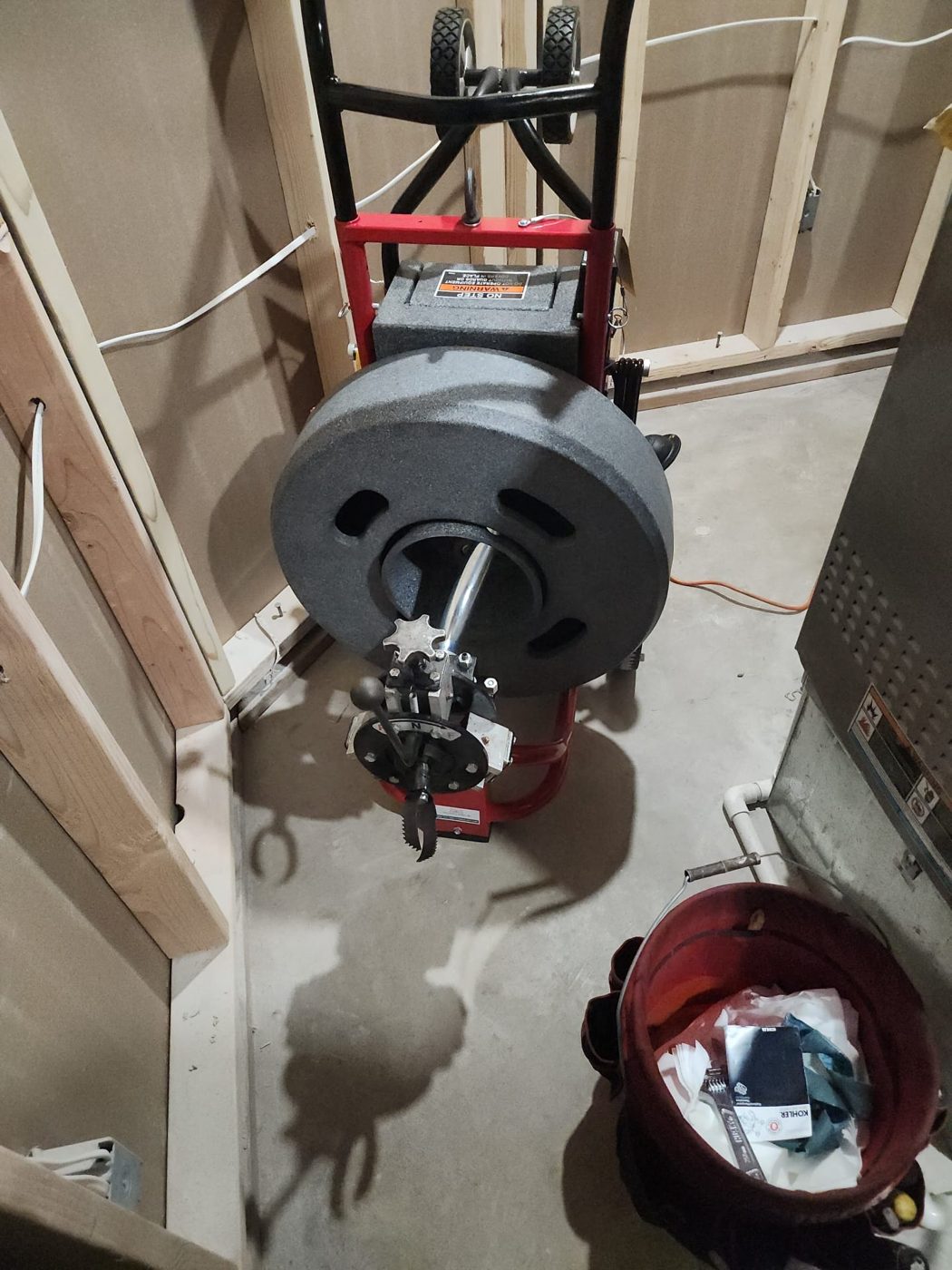
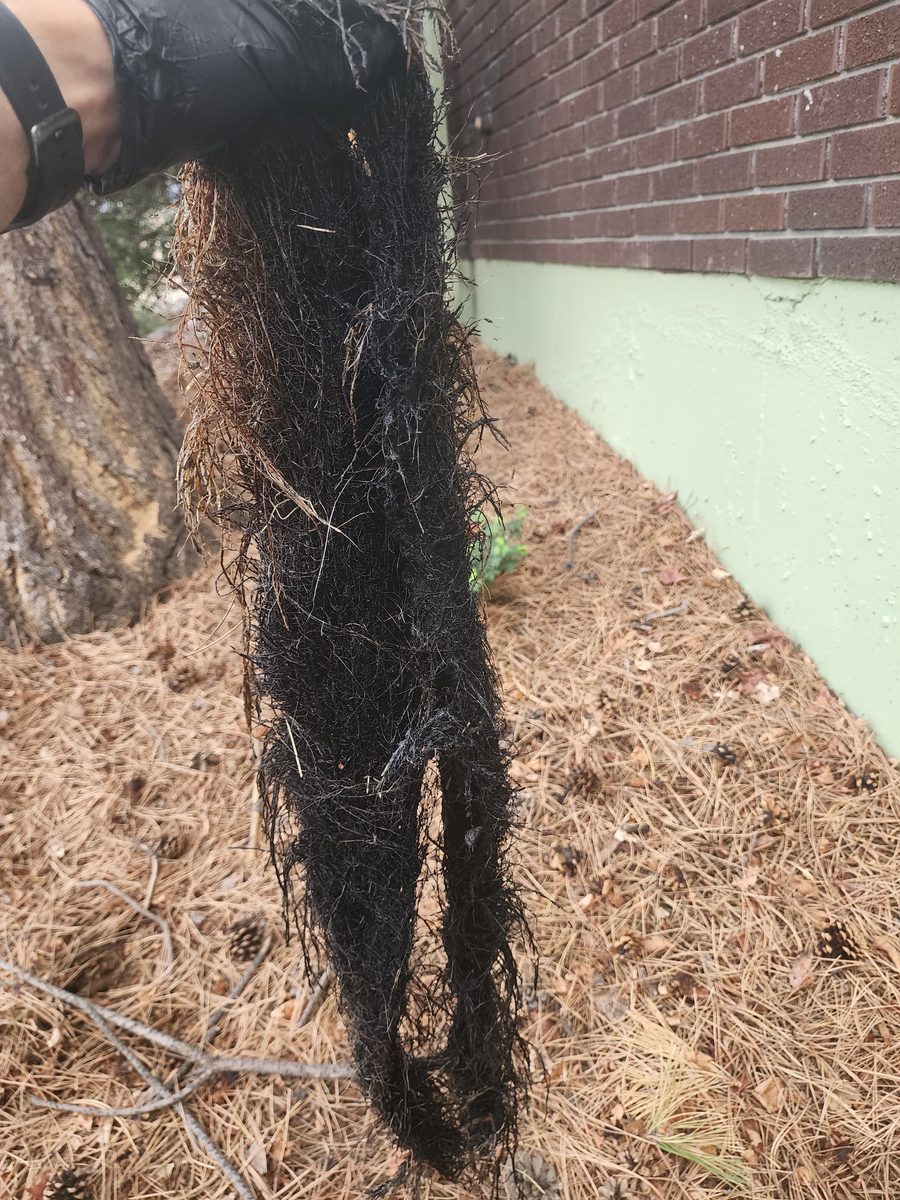
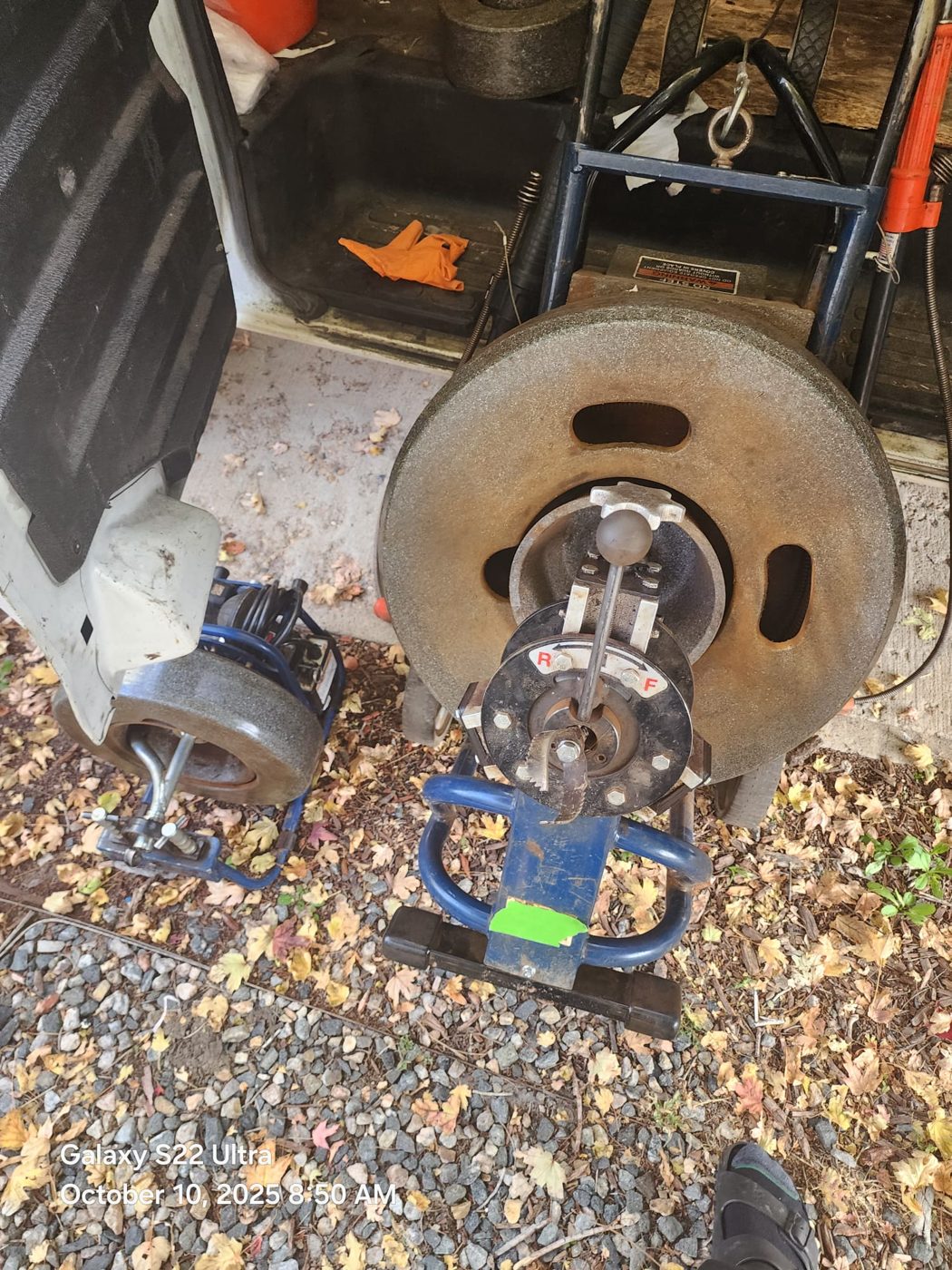
Building drains, branch lines and the run out to the tank: clearing, hydro jetting and camera inspection with measured distances.
What we will tell you to book elsewhere
Tank pumping and leach field work are a separate trade. If that is what your property actually needs, we say so rather than selling a clearing that buys a week.
Well water, hardness and interior scale
Many Watkins properties are on well water. Hard water leaves mineral scale on fixture drains and in older interior piping, which narrows the bore steadily and makes a line clog sooner than the same pipe would in a municipal-water home.
Where we go in and around Watkins
We cover 80137 and the surrounding plains: the Watkins townsite, acreages along Watkins Road and East Quincy Avenue, properties near Box Elder Creek, the industrial and hangar buildings around the Colorado Air and Space Port, the I-70 frontage businesses, and out toward the Bennett border.
Watkins is a straight run east from our Aurora base, so despite the rural distance it is a routine destination rather than an exception. Same-day service is normal and 24-hour emergency response is genuinely available out here, which is not something every metro company offers east of E-470.
Outbuildings, shops and barn plumbing
Shops and barns often have their own drains tied into a separate line or a secondary tank. Those get used seasonally, sit dry for months, and then block on first heavy use — worth clearing before a busy season rather than during it.
Typical Watkins service requests
Building drain clearing and jetting of long runs to the tank make up the bulk of the residential work. Camera inspection for buyers is the second most requested, because on a rural property the buried infrastructure is a much larger share of what you are purchasing than it is in town.
Commercially, the airport-area and I-70 frontage buildings bring us grit- and grease-laden building drains that respond to jetting and effectively ignore cabling.
Pre-purchase inspections on acreage
Scope the building drain and the line to the tank before closing on a Watkins property. Replacing a hundred-foot run is a serious number, and it is a much better conversation before signing than after.
Seasonal-use and vacant properties
Lines that sit unused dry out, and solids that were suspended settle hard. Reopening a property after months of vacancy is a common reason for a first-use blockage that has nothing to do with the current occupants.
How a Watkins call is scheduled and run
Call 720-779-4946 any hour and describe the symptom and property layout — where the tank sits, whether there is a cleanout, whether a gate needs opening. Rural calls benefit enormously from that detail up front.
On site we locate access, protect the work area, confirm the price, clear the line, and then camera the run with measured distances so any future excavation on a large lot is targeted rather than exploratory.
Access on unpaved drives and large lots
We plan equipment placement before unloading, because a hose run across two hundred feet of gravel is a different job from a suburban side yard and is better solved with thought than with improvisation.
Locating a buried cleanout
Rural cleanouts are frequently buried under years of grading or landscaping. We locate rather than dig speculative holes.
Mapping the run for the owner
By the end of the visit you should know where your line goes and how far each defect sits from a fixed reference point. On acreage that information is worth keeping.
Plains weather, deep freeze and shifting ground
East of Aurora the ground freezes deeper and the wind dries it harder. Long shallow runs on the plains experience real freeze-thaw movement each winter, and where a line crosses a driveway or a compacted track, the load above it adds stress the pipe was never designed for.
Spring is the other pressure point: saturated ground over a leach field reduces its capacity, and a system that coped all winter can back up in April with no change in household use at all. That timing pattern is diagnostic, and it usually points at the field rather than the pipe.
Frozen lines in unheated crawl spaces
Waste lines in unheated crawl spaces and outbuildings can freeze during a hard cold snap. That is a thaw-and-inspect job, and the important part is finding out whether the freeze cracked anything before it happens again next winter.
What Watkins service costs
Price depends on the line, the access, the length of the run, whether jetting is required, and the hour of the call. We quote before starting, and camera inspection is included with main line clearing.
If the honest diagnosis is a septic tank or field issue rather than a blocked line, we will tell you that instead of selling a clearing. Aurora Drainage Service covers Watkins twenty-four hours a day at 720-779-4946.